Fishing
Top Fishing Destinations and How to Store Your Catch Properly
Nov
Table of Contents
Fishing is a beloved pastime that offers relaxation, adventure, and the thrill of the catch. Whether you’re an experienced angler or just starting, knowing the best places to fish and how to store your catch properly can make all the difference. Here, we explore some of the world’s top fishing destinations and provide essential tips on keeping your fish fresh.
6 Top Fishing Destinations in the World
1. Kenai River in Alaska, USA
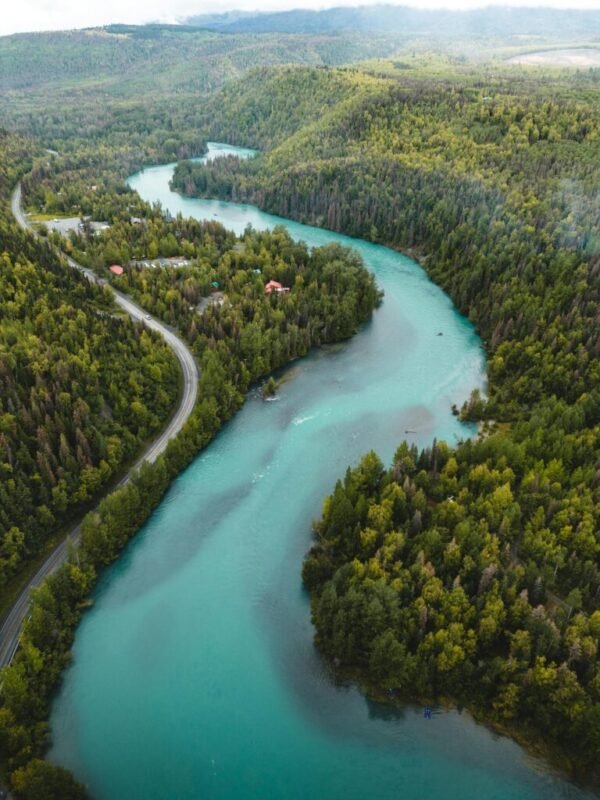
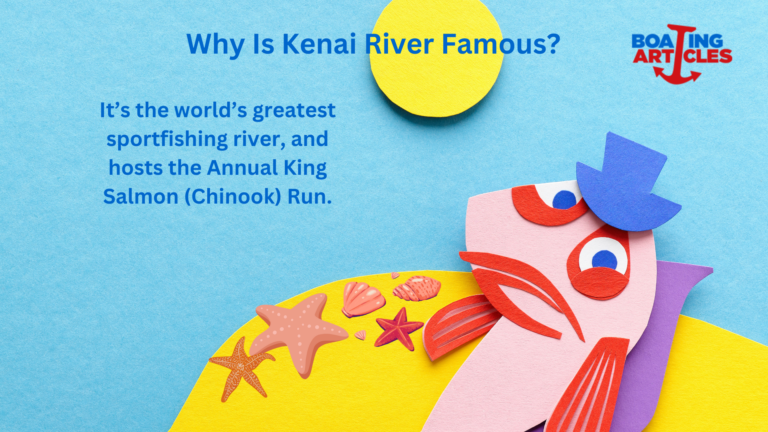
Flowing through the rugged Alaskan wilderness, Kenai River is the home of the record-breaking king salmon. Anglers from around the world visit to battle massive Chinook, vibrant sockeye, and trophy-sized trout. The river’s stunning blue-green waters, fed by glacial melt, provide a breathtaking backdrop for fishing adventures.
- Fish Species: King salmon (Chinook), sockeye salmon, rainbow trout, and Dolly Varden.
- Expected Budget: A guided fishing trip can range from $250-$500 per day, while all-inclusive lodge packages cost $3,000-$6,000 per week.
- Random Fact: The largest king salmon ever caught in the Kenai River weighed 97 pounds and 4 ounces, a world record!
Best Times to Fish (By Species)
| Species | Best Months | Peak Time |
|---|---|---|
| King Salmon (Chinook) | Mid-May – Late July | Late June – Mid-July |
| Sockeye Salmon (Red) | Mid-June – Early August | Mid-July |
| Coho Salmon (Silver) | Mid-August – October | September |
| Pink Salmon (Even Years Only) | Mid-July – Early August | Late July |
| Rainbow Trout | June – October | September – October |
| Dolly Varden | June – October | August – September |
Best Fishing Spots on the Kenai River
1. Upper Kenai River (Kenai Lake to Skilak Lake)
- Crystal-clear water, ideal for sight fishing trout and salmon.
- No motorboats allowed = quiet and peaceful fishing.
- Russian River Ferry Access makes it easy to reach top fishing holes.
2. Middle Kenai River (Skilak Lake to Soldotna)
Why?
3. Lower Kenai River (Soldotna to Cook Inlet)
- Shelters the world-record 97 lb and 4 oz King Salmon.
- Ideal for guided fishing charters.
2. Great Barrier Reef in Australia
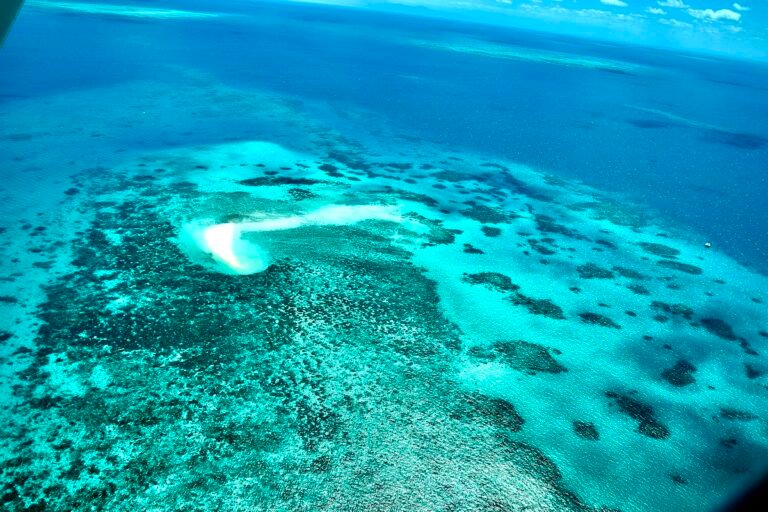
As the world’s largest coral reef system, the Great Barrier Reef offers some of the best deep-sea fishing opportunities on the planet. Anglers can target massive black marlin, tuna, and barracuda while fishing in crystal-clear tropical waters. Whether you’re trolling offshore or dropping lines over the reef, this UNESCO World Heritage site promises an unforgettable experience.
- Fish Species: Black marlin, giant trevally, yellowfin tuna, and barracuda.
- Expected Budget: Charter boats range from $1,500-$3,000 per day, while luxury liveaboard trips can exceed $10,000 per week.
- Random Fact: The Great Barrier Reef is so massive that it can be seen from space and is home to over 1,500 fish species.
Best Times to Fish (By Species)
| Species | Best Months | Peak Time |
|---|---|---|
| Black Marlin | September – December | October – November |
| Giant Trevally (GT) | Year-round | October – April |
| Coral Trout | Year-round | April – September |
| Spanish Mackerel | April – October | June – August |
| Red Emperor | March – November | May – October |
| Barramundi (Inshore) | February – November | March – May |
| Sailfish | July – November | August – October |
| Yellowfin Tuna | March – September | April – June |
Best Fishing Spots on the Great Barrier Reef
1. Cairns & Lizard Island (Northern GBR)
- World-famous Black Marlin fishing.
- Pristine reefs with massive GTs and Coral Trout.
- Popular among deep-sea anglers and sport fishers.
2. Ribbon Reefs (North of Cairns)
- Legendary Marlin fishing hotspot
- Deep drop-offs = big pelagic fish
- Remote and less pressured waters
3. Townsville & Magnetic Island (Central GBR)
- Close to the reef, great for day trips.
- Diverse fishing – offshore for pelagics, inshore for reef fish.
- Good for both beginner and expert anglers.
4. Mackay & The Whitsundays (Southern GBR)
- Stunning protected waters with excellent reef fishing.
- Island hopping + fishing combo for an amazing experience.
- Good land-based fishing options.
5. Hervey Bay & Fraser Island (Southern GBR)
- One of the best inshore fisheries in Australia.
- Famous for light tackle fishing for Trevally and Tuna.
- Good mix of estuaries, flats, and offshore reefs.
3. Amazon River in Brazil
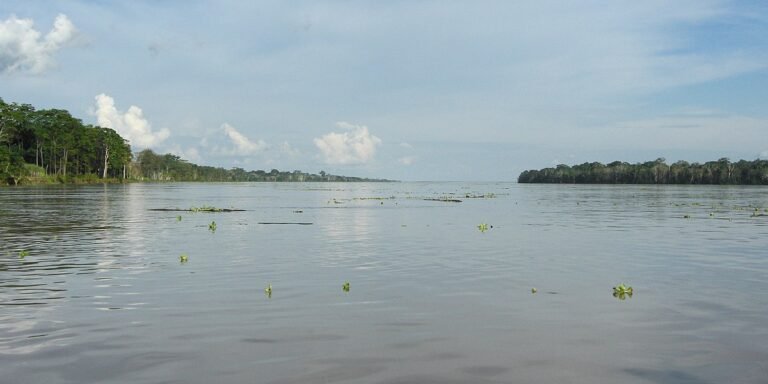
For those seeking adventure, the Amazon River provides an exotic fishing experience unlike any other. Home to aggressive peacock bass, razor-toothed piranhas, and gigantic catfish, this river teems with legendary freshwater monsters. Surrounded by dense rainforest and diverse wildlife, fishing here is as much about the environment as the catch.
- Fish Species: Peacock bass, red-bellied piranha, giant catfish (Piraíba), and arapaima.
- Expected Budget: Guided fishing expeditions cost around $3,000-$5,000 per week, including accommodation and food.
- Random Fact: The Amazon River is home to the largest freshwater fish in the world, the arapaima, which can grow over 10 feet long.
Best Times to Fish (By Species & Water Levels)
The Amazon’s water levels significantly impact fishing. The best fishing occurs during the dry season, when lower water levels concentrate fish in deeper channels and lagoons.
| Species | Best Months | Peak Time |
|---|---|---|
| Peacock Bass | July – November | August – October |
| Arapaima (Pirarucu) | July – November | August – October |
| Piranha | Year-round | Dry season (July – November) |
| Redtail Catfish | Year-round | Wet season (December – May) |
| Payara (Vampire Fish) | July – November | August – October |
| Tambaqui & Pacu | September – December | Late dry season (October – November) |
| Gilded & Piraíba Catfish | December – May | High water season (March – May) |
— Best Season for Most Fishing: July – November (dry season)
— Best Season for Gilded & Piraíba Catfish: December – May (high water season)
Best Fishing Spots on the Amazon River
1. Rio Negro (Brazil)
- Peacock bass paradise (up to 25 lbs!).
- Blackwater rivers = fewer mosquitoes & clearer fishing.
- Famous fishing lodges and guided trips available.
2. Rio Madeira (Brazil)
Best for: Giant Catfish (Piraíba & Redtail), Peacock Bass
Why?
- One of the best rivers for monster catfish.
- Strong peacock bass population.
- Less touristy than Rio Negro.
3. Mamirauá Reserve (Brazil)
Best for: Arapaima, Piranha, Tambaqui
Why?
- Protected waters = giant arapaima (over 400 lbs!).
- Best fly fishing and catch-and-release program.
- Great for wildlife spotting (pink dolphins, caimans).
4. Ucayali River (Peru)
Best for: Arapaima, Peacock Bass, Piranha
Why?
- One of the best places to catch wild arapaima.
- Lush, remote jungle setting.
- Mix of fly fishing and conventional fishing options.
5. Orinoco Basin (Colombia & Venezuela)
Best for: Payara, Peacock Bass, Catfish
Why?
- Top spot for Payara (“Vampire Fish”).
- Good variety of Amazonian fish species.
- Untouched fishing grounds with incredible scenery.
4. Florida Keys, USA
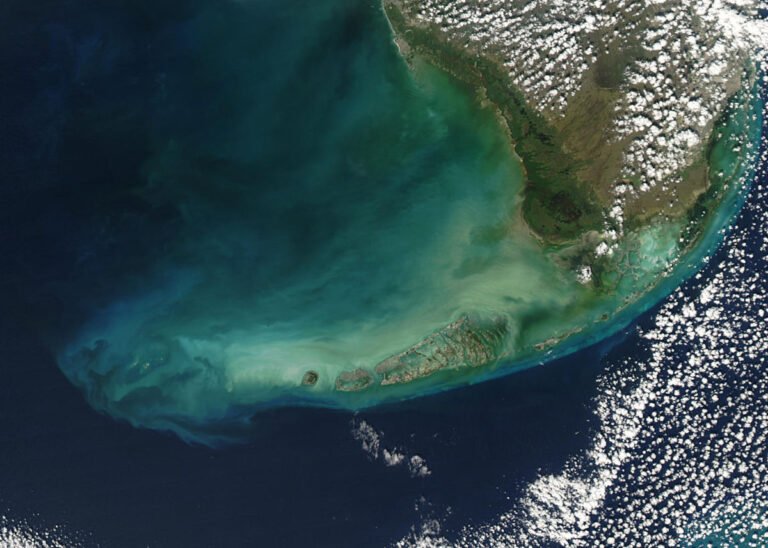
The Florida Keys are a paradise for sportfishing, where warm waters meet a diverse ecosystem of game fish. Whether you’re battling tarpon in the flats, chasing bonefish on the fly, or heading offshore for snapper, the fishing opportunities here are endless. With stunning tropical scenery and a laid-back island vibe, it’s a bucket-list destination for any angler.
- Fish Species: Tarpon, bonefish, permit, snook, and snapper.
- Expected Budget: A half-day charter costs around $500-$800, while multi-day luxury fishing trips can cost $5,000+.
- Random Fact: The Florida Keys are known as the “Sportfishing Capital of the World”, with year-round fishing opportunities.
Best Times to Fish (By Species & Season)
| Species | Best Months | Peak Time |
|---|---|---|
| Tarpon | March – July | April – June |
| Bonefish | March – November | April – October |
| Permit | March – October | May – September |
| Snook | Year-round | Spring & Fall |
| Redfish | Year-round | Fall – Winter |
| Mahi-Mahi (Dolphin Fish) | April – September | May – July |
| Sailfish | November – April | December – March |
| Wahoo | November – March | Winter months |
| Grouper | May – December | Summer – Fall |
| Snapper (Mangrove, Yellowtail, Mutton) | Year-round | Spring & Summer |
| Marlin (Blue & White) | April – September | June – August |
Best Overall Time: Spring & Summer (March – July) for inshore, Fall & Winter (November – March) for offshore species.
Best Fishing Spots in the Florida Keys
1. Key West
Best for: Tarpon, Permit, Sailfish, Mahi-Mahi, Wahoo
Why?
- Legendary offshore and inshore fishing.
- Peak Tarpon migration in spring.
- Excellent deep-sea fishing for Sailfish, Marlin, and Mahi.
Top Fishing Areas:
- Key West Harbor (Tarpon hotspot)
- Marquesas Keys (Permit & Bonefish paradise)
- The Wall (Deep-sea drop-off for Marlin & Wahoo)
2. Islamorada (Sportfishing Capital of the World)
Best for: Tarpon, Bonefish, Permit, Sailfish, Snook
Why?
- Best flats fishing in the Keys (Bonefish, Permit, Tarpon).
- Great deep-sea action for Sailfish & Mahi.
- Famous backcountry fishing in Florida Bay.
Top Fishing Areas:
- Channel 2 & 5 Bridges (Huge Tarpon)
- Everglades National Park (Snook & Redfish)
- Islamorada Humps (Mahi & Tuna feeding zone)
3. Marathon (Middle Keys)
Best for: Tarpon, Grouper, Snapper, Mahi-Mahi
Why?
- Best bridge fishing for Tarpon & Snapper.
- Shallow wrecks and reefs full of Grouper & Snapper.
- Easy access to offshore waters for Mahi.
Top Fishing Areas:
- Seven Mile Bridge (Tarpon & Snapper hotspot)
- The Hump (Deep-sea Mahi, Tuna, Sailfish)
- Sombrero Reef (Lobster & Grouper fishing)
4. Big Pine Key & Lower Keys
Best for: Bonefish, Permit, Tarpon, Snapper
Why?
- Less crowded, pristine flats fishing.
- Amazing wreck fishing for Grouper & Snapper.
- Good access to bluewater fishing.
Top Fishing Areas:
- Content Keys (Bonefish & Permit flats)
- The Drop (Deep-sea fishing spot)
- Looe Key (Snorkeling + fishing combo)
5. Dry Tortugas (Remote & Pristine Fishing)
Best for: Grouper, Snapper, Tuna, Wahoo
Why?
- One of the best deep-sea & reef fishing spots in the world.
- Huge Mutton Snapper, Black Grouper, and Tuna.
- Requires a long boat trip but worth it.
Top Fishing Areas:
- Fort Jefferson Waters (Big Snapper & Grouper)
- Pulley Ridge (Deep-water bottom fishing)
How to Store Your Catch Properly
Catching fish is only part of the equation—storing it properly ensures freshness and great taste. Here are some key methods based on the image below (from left to right):
- Once you land a fish, place it in a cooler with ice or an insulated fish kill bag. The ideal storage temperature is 32°F (0°C) to slow bacterial growth and maintain quality.
- For species like tuna and salmon, bleeding the fish right after the catch improves taste and shelf life. Cut the gills and let the blood drain in water for a cleaner fillet.
- Removing the guts as soon as possible prevents spoilage and enhances freshness. Use a sharp knife to cleanly remove the internal organs and rinse the cavity thoroughly.
- If refrigeration isn’t immediately available, soaking the fish in a saltwater brine helps preserve its quality. This method is often used for longer storage before freezing.
- For extended storage, clean and fillet the fish, then vacuum-seal or wrap it in freezer-safe bags before placing it in a deep freezer. Label each package with the date to track freshness.
- If you plan to eat the fish within 2-3 days, store it in the refrigerator on crushed ice in a perforated container to allow drainage. Cover the fish to prevent drying out.
Conclusion
Fishing offers a rewarding experience, but ensuring your catch remains fresh is just as important. Whether you’re fishing in the wild waters of Alaska or the warm shores of Australia, following these storage techniques will help you enjoy the best flavors from your hard-earned catch!
Top Fishing Destinations
